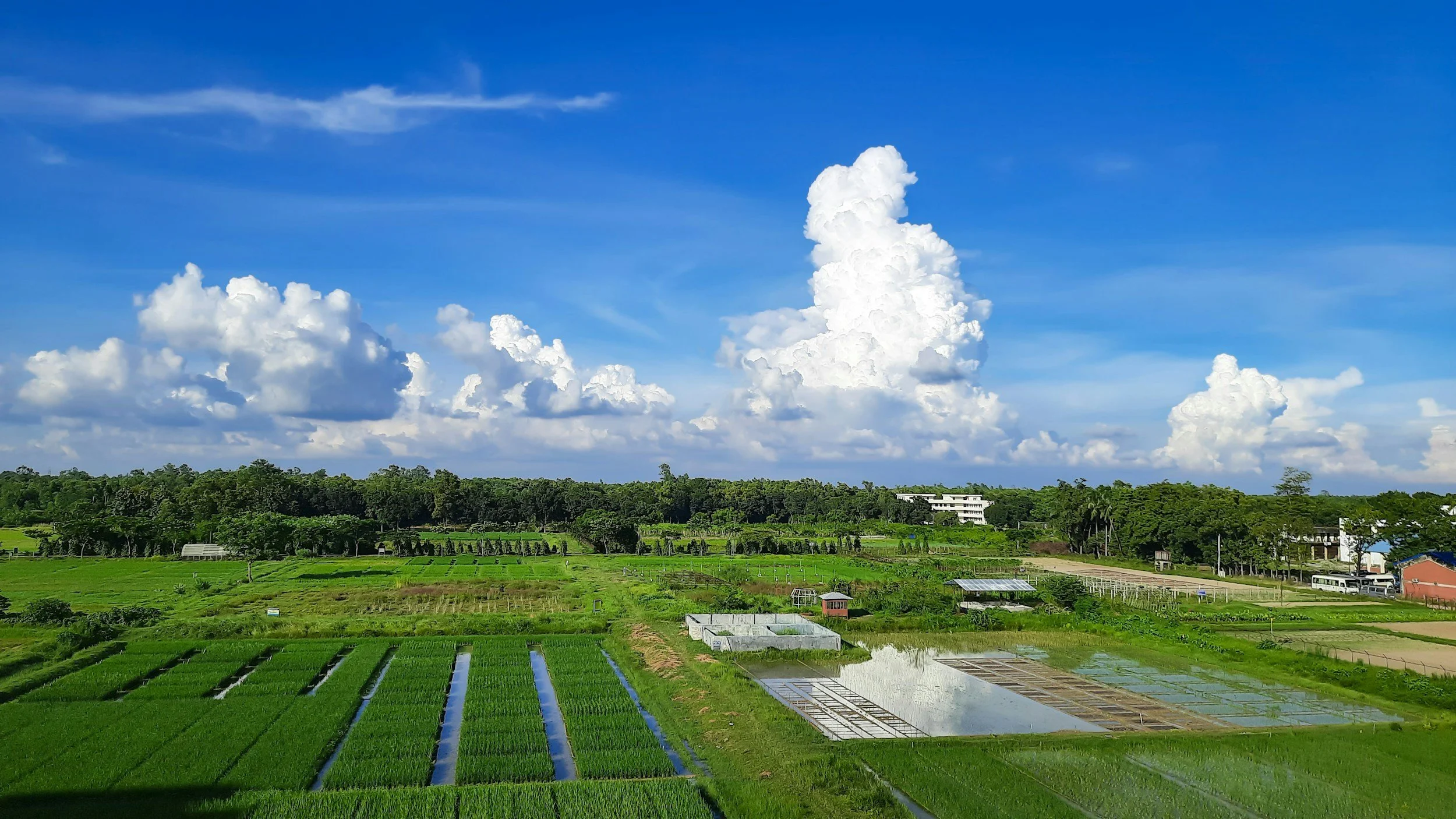
Agriculture is the leverage point for our food and climate goals.
Sharing data and playbooks on pragmatic regenerative systems that raise yields and lowers impact of the single largest pressure we put on the planet.
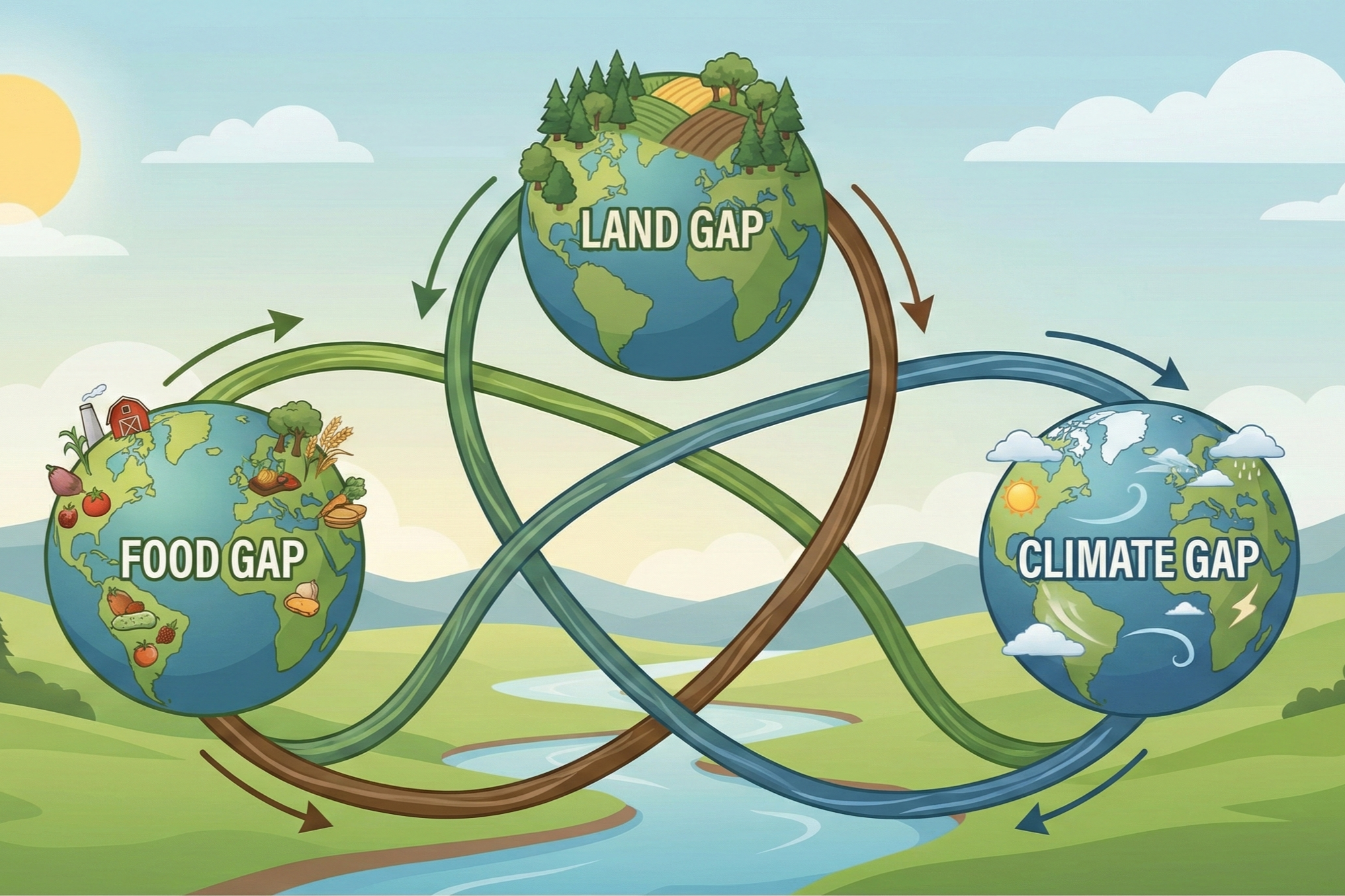
A Three-Fold Imperative to Raise Yields
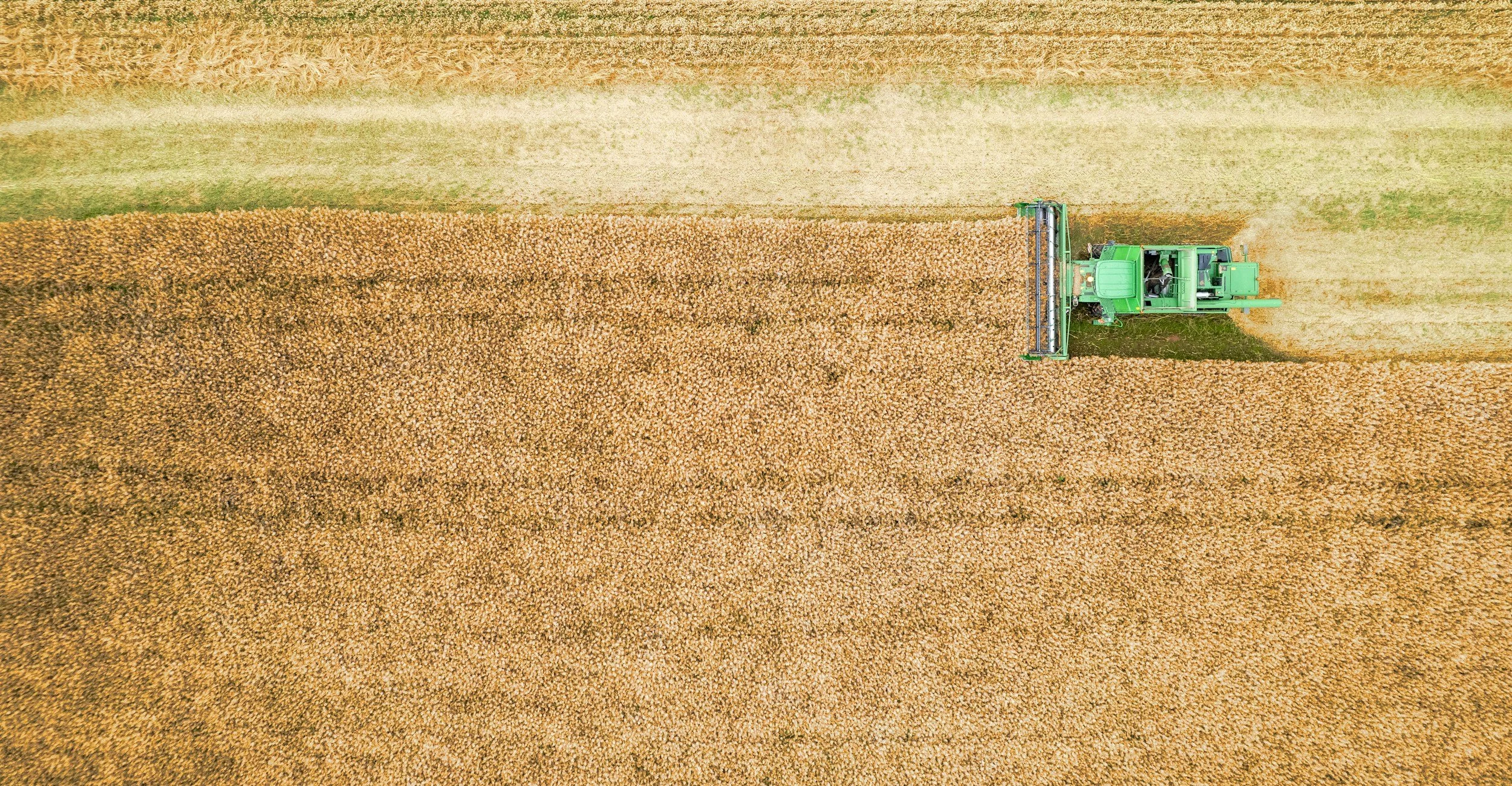
+ 7 trillion crop calories
7 trillion crop calories is difference between what will be needed by 2050 vs what is produced today.
To visualise the scale of this gap, this was the equivalent of the combined output of China, the US and India in 2010.
Measured against even the most conservative projections of demand, this gap is rigid and the need to produce more calories is inescapable.
Yields have to increase to close this food gap
If not, the world suffers hunger, inflation and further inequality
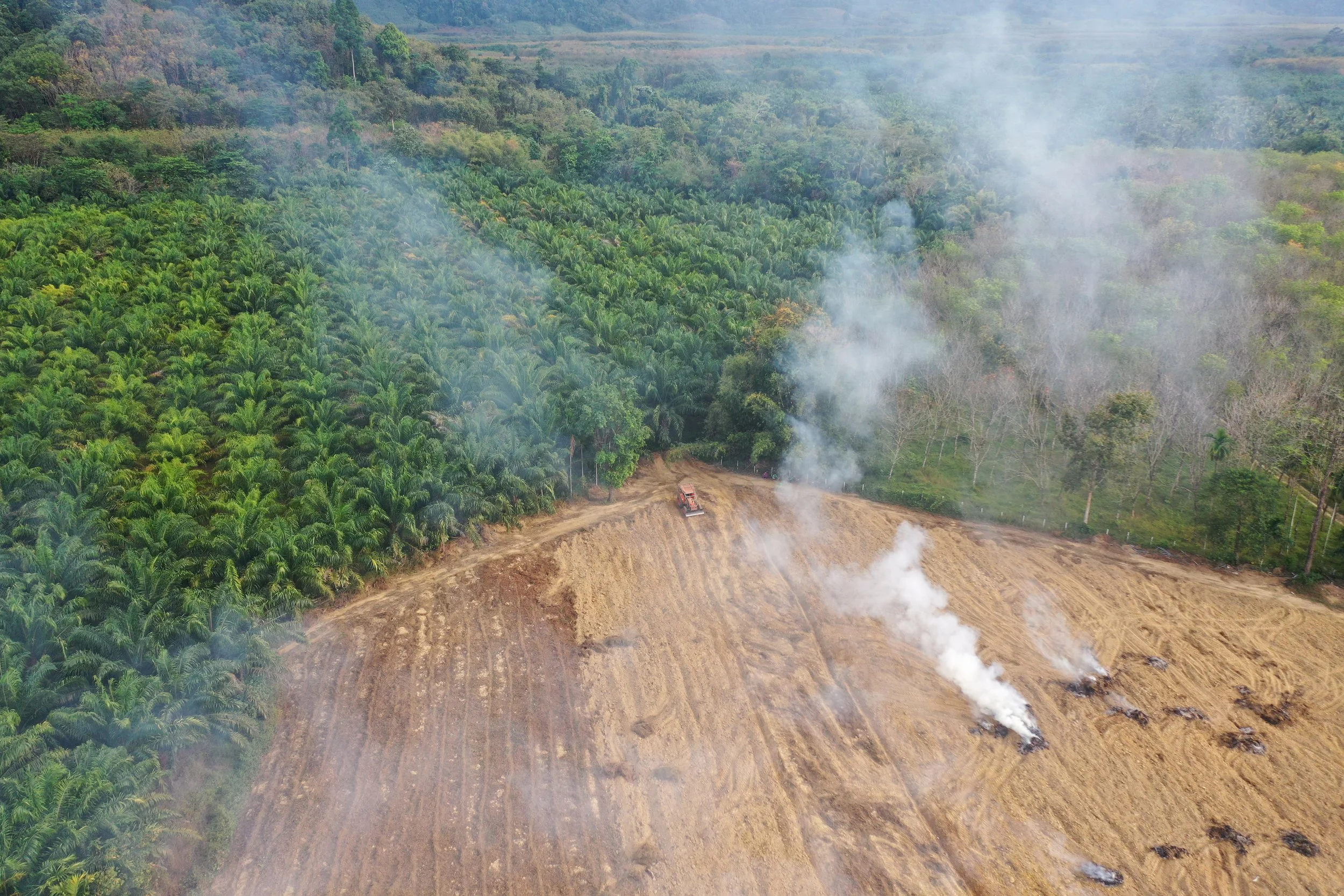
- 600 Million Hectares
Historically, crop yields have been on the rise. The current rate of improvement however, is not enough. Based on existing trajectories, an additional 600 million hectares of new agriculture land will be required to close the food gap. Above and beyond GHG emissions arising from this change of land use, we lose the ecosystem services and benefits that nature provides.
Yields have to increase to close this land gap
If not, the world will lose natural ecosystems close to twice the size of India.
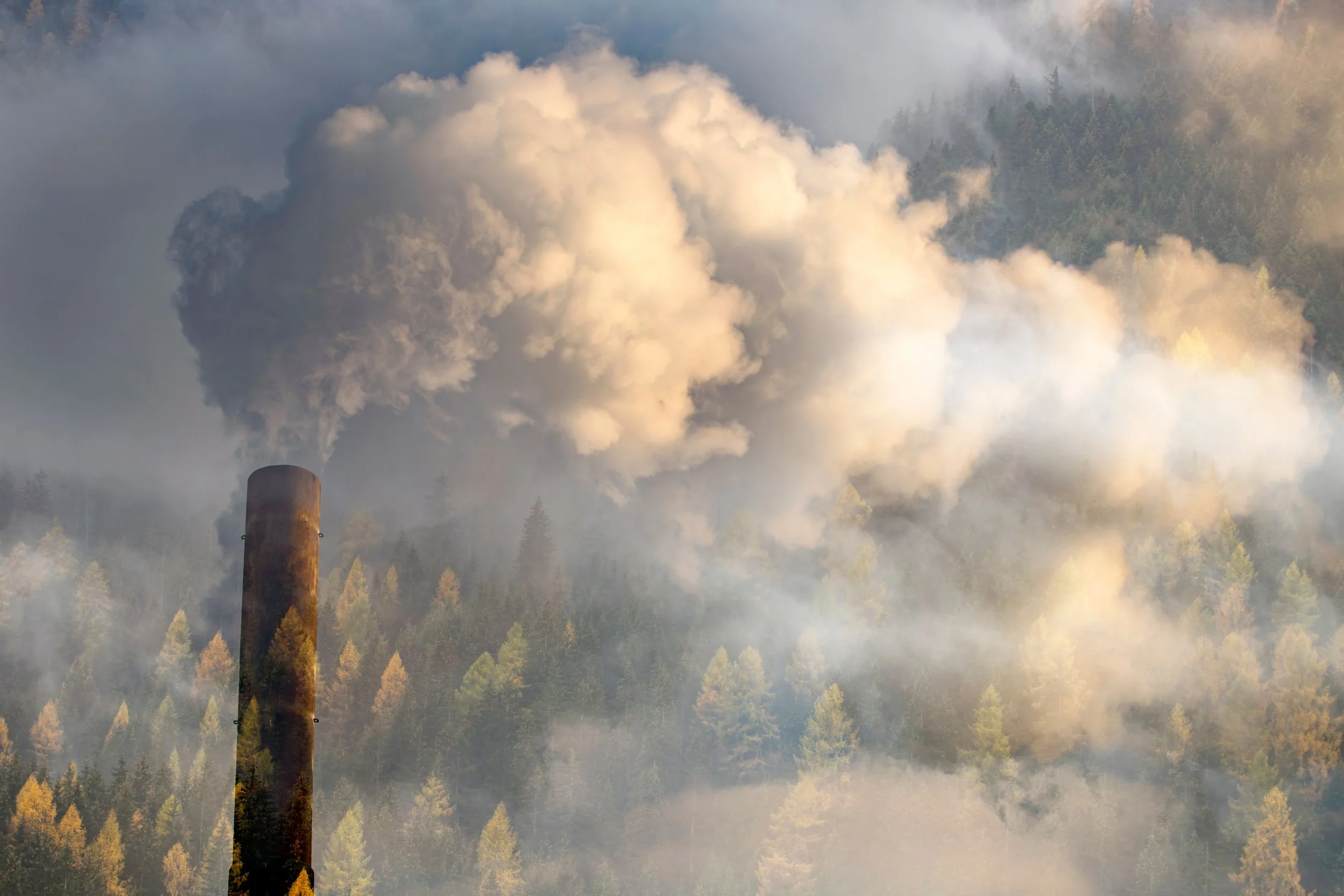
11 Gigatons of CO2 emissions
If agriculture continues with business as usual practices, it will use up 30-50% of allowable emissions. that caps global temperature rise to no more than 2°C. Climate stability is fundamental to food production. Rising temperatures and unpredictable rainfall creates uncertainty in yields, resulting in pressure to clear more land, increasing emissions further.
Yields have to increase sustainably to close this emissions gap
If not, the world lands itself in a “Catch-22” where solving for hunger today causes more hunger tomorrow.
We can fix this
We have the solutions in hand
We won’t solve climate if we don’t fix agriculture
-
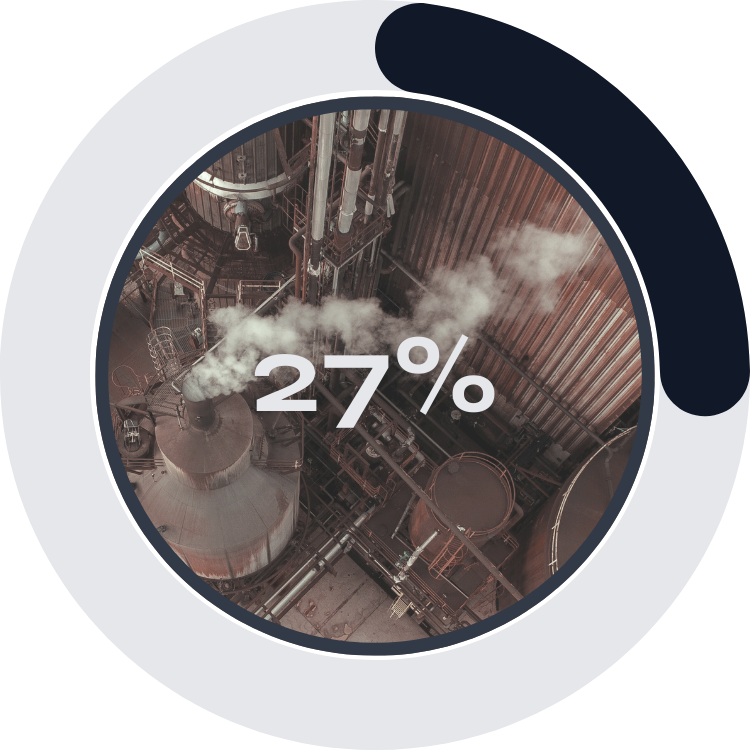
27% of Global GHG Emissions
Over a quarter of GHG emissions means we cannot reach our climate goals without transforming agriculture. Agriculture plays a critical role in climate change, second only to the energy sector.
-
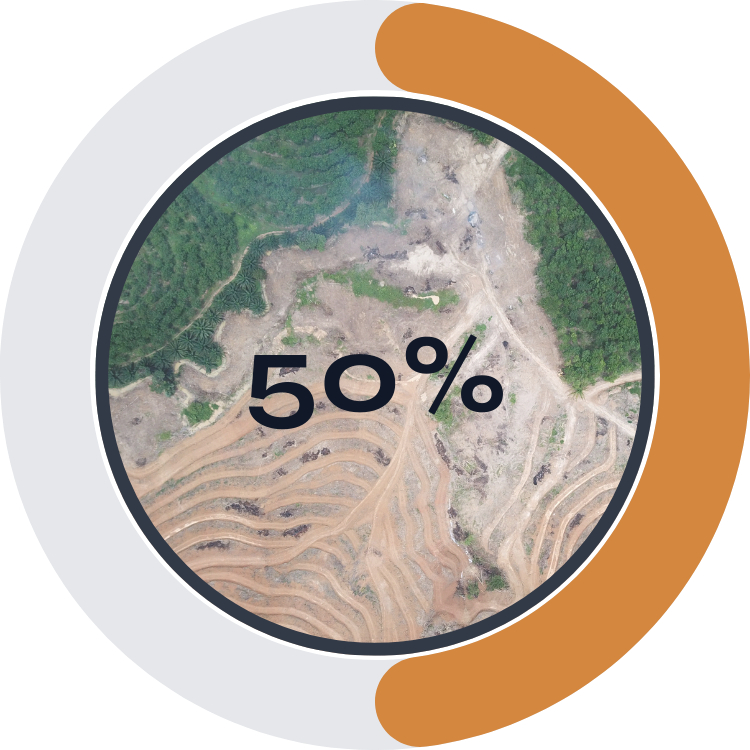
50% of Habitable Land Use
The massive footprint of agriculture is the most visible mark of human activity on the planet. Using half of all liveable land and driving deforestation and habitat loss means we cannot halt the carbon and biodiversity crisis without rethinking food production.
-

70% of Global Water Draw
Agriculture is by far the world’s largest consumer of freshwater. Dominating water use means global water security depends on how we farm. Climate change is tightening the very supply agriculture depends on with increasingly erratic weather patterns.
Companies I’m Working On

Bio Ark Global
Bio Ark is building the next generation of fertilisers, engineered to lift yields and protect environmental health, without forcing a trade-off.
Fertilisers underpin modern food production—just under half of humanity depends on them. But less than half of applied fertiliser is taken up by crops, the rest contributing to ~20% of agriculture’s share of greenhouse gas emissions and other environmental costs.
Bio Ark closes that gap: more yield per unit nutrient and a stronger path to food security with a lighter footprint.

JNCoLabs
JNCoLabs builds practical sustainable-intensification systems as the default infrastructure of future farms, so they can produce and deliver more yield, without expanding land.
It focuses on where the leverage is; accessible, high value solutions to smallholders, who make up about 84% of the world’s farms and produce one-third of global food supply using one-quarter of the world’s agricultural land.
JNCoLabs moves the needle where it is needed, making meaningful impact to both smallholders and in closing the world’s food and land gap.
Figuring this out together
Solving agriculture has to be built around a concerted and worldwide effort.
We cannot solve this alone; our food system requires a diverse stack of solutions and a shared commitment to action.
If you have questions, concerns, how we can help or collaborate to close yield gaps, protect ecosystems, and design a sustainable path forward, please reach out.
We are eager to connect, keep in touch, and work with you to ensure a future of food security and environmental stability.